
Philadelphia was founded and settled by immigrants from England – and some from Germany – and many of the neighborhoods and streets set up by these settlers betray their British (or German) origins. Many of the neighborhoods and streets that we encounter in Philadelphia on a daily basis, however, carry names from a much earlier population: the Native Americans that inhabited the area for centuries prior to the English arrival.
Many of these words have been – somewhat – Anglicized to suit the English tongue, although nonresidents still trip over a lot of these pronunciations, to the delight of local residents.
Here are some of the more familiar Native American words that have been appropriated to name our streets and neighborhoods. Many of them have been derived from the language of the Lenni- Lenape tribe, also referred to sometimes as the Delawares.
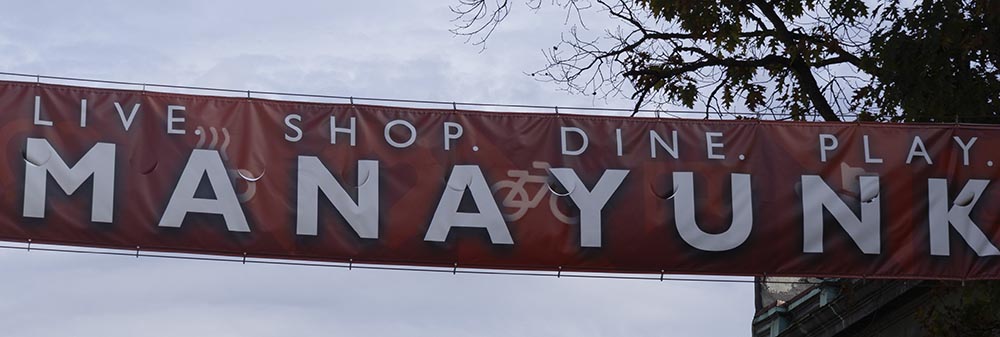
Manayunk – From the Lenape word manaiung, often translated as “where we go to drink” or “place to drink,” referring to the nearby river or creek. Given the popularity of many contemporary Manayunk watering holes, the name is still accurate today.
- Passyunk – Derived from Pachsegink, meaning “in the valley” or “place in the valley.”
- Wissahickon – From a Lenape word commonly interpreted as “catfish creek” or “yellow-colored stream.” Gazing at the yellow-flowing Wissahickon from Manayunk, one can agree on the appropriateness of this name.
- Tacony – Believed to come from a Lenape word meaning “forest” or “wilderness,” though the exact translation is debated.
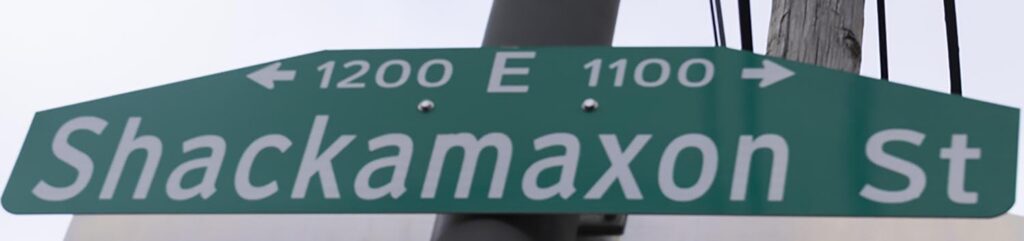
Shackamaxon — a Lenape word describing a place where chiefs gathered.
- Cohocksink – An older neighborhood and creek name from Lenape, often translated as “pine woods” or “grove of pines.”.
- Wingohocking – Derived from Lenape, with interpretations including “favorite spot for planting” or “land hollowed out for cultivation.”. Not too much planting happening in Wingohocking these days.
- Kingsessing — a Lenape word, associated with a meadow.
- Wissinoming — a Lenape name, traditionally associated with a place where grapes grow. Haven’t been many grape harvests there recently.
- Poquessing – Named after Poquessing Creek, from a Lenape word meaning something like “place of mice” or “where mice abound.”
- Aramingo – The original Native name was associated with a stream, but the stream was eventually buried under the expanding Philadelphia streets and the name has survived primarily through the street of the same name.
An interesting pattern emerges in reviewing these names. Many of the names have historically belonged to creeks, rivers, or natural features of the land, rather than settlements. As Philadelphia grew, the names of those waterways were adopted for neighborhoods, roads, and nearby towns, preserving Lenape place names even after the landscape was transformed by urban development.
The Philadelphia Water Department identifies Pennypack, Poquessing, Wissahickon, and the Tookany/Tacony system among Philadelphia’s major watersheds, and historical sources document Lenape origins for all these waterway names.
Another interesting historical point is that Manayunk, Passyunk, Pennypack, Poquessing, Wissahickon, etc., weren’t originally “neighborhood names” in the modern sense. They were names associated with places, waterways, trails, and Native settlements. Philadelphia’s later neighborhoods inherited many of those names.
Some suburban Philadelphia areas also adopted words from the Lenni-Lenape language to name their communities.
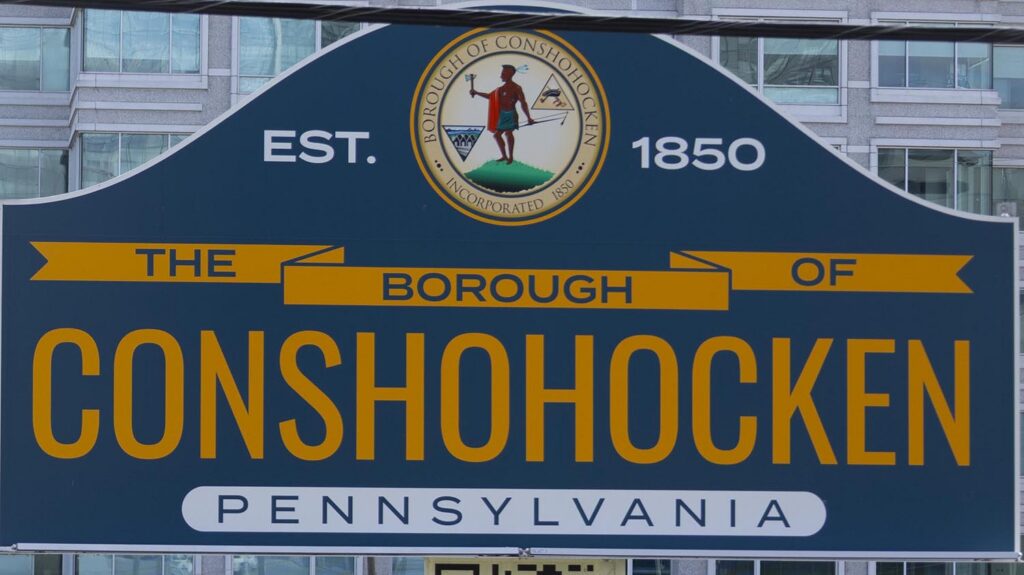
Conshohocken – A Lenape word often translated as “pleasant valley” or “long beautiful valley.” Driving down Fayette Street toward the Schuylkill River (which coincidentally is not a Native American name) one can attest to the accuracy of this name.
Neshaminy – From the Lenape name for the creek that runs through that area, with meanings that may relate to “double stream” or “two branches.”
Miquon – a name derived from the Lenni-Lenape people, who were the original inhabitants of the area on the banks of the Schuylkill, just beyond the Philadelphia border
So the European immigrants that settled the Philadelphia area eventually managed to overrun, and finally drive out, the original inhabitants of the land (recall William Penn’s “Walking Purchase”). The names for many of the Lenape places remain today, however, recalling – if we care to pay attention – the original inhabitants of this land.